

User Experience
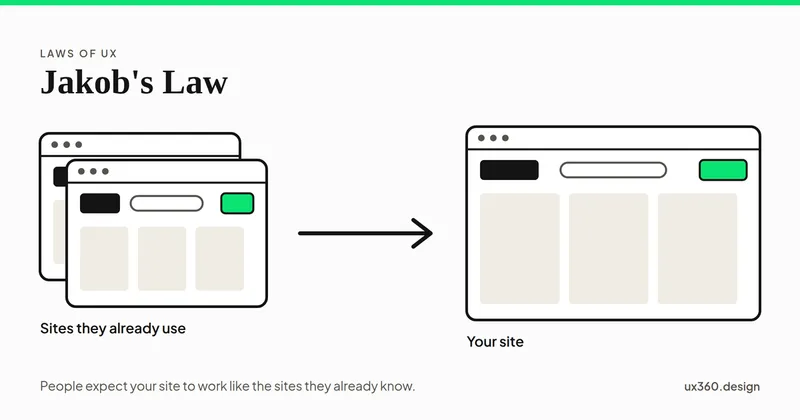
Jakob's Law: People Expect Your Site to Work Like the Others
Jakob's law says people expect your site to work like the sites they already use. See the research behind it, examples, and when breaking a convention pays.
81 articles since 2019, newest first. Pick a topic in the bar above to narrow down.
Jakob's law says people expect your site to work like the sites they already use. See the research behind it, examples, and when breaking a convention pays.
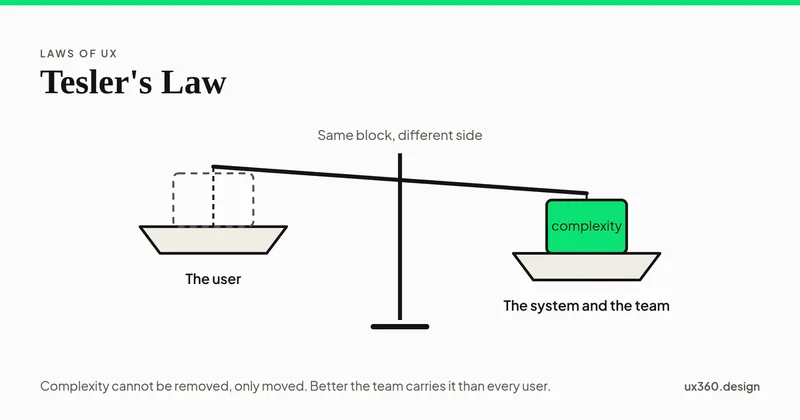
Tesler's law says some complexity can never be removed, only moved between the user and the system. See where it came from and when moving it actually helps.
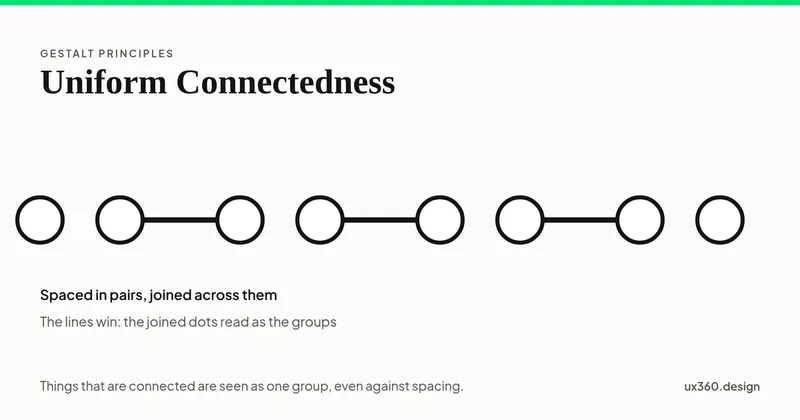
Uniform connectedness says elements joined by a line or shared area read as one group. See how it beats spacing, where interfaces use it, and the research.
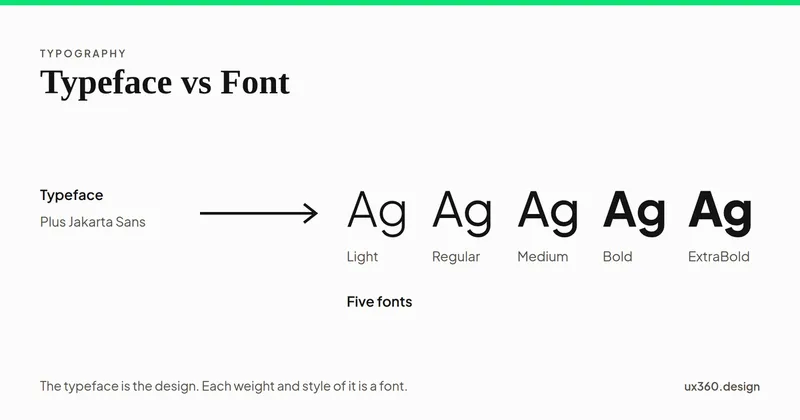
A typeface is the design, like Helvetica. A font is one weight and style of it, like Helvetica Bold. See the difference, its origin, and why it matters.
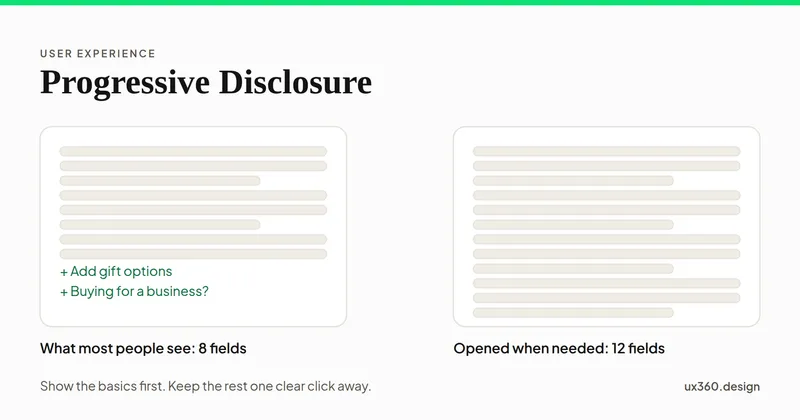
Progressive disclosure shows the basics first and the rest only when needed. See examples, the training wheels research, and when hiding things backfires.
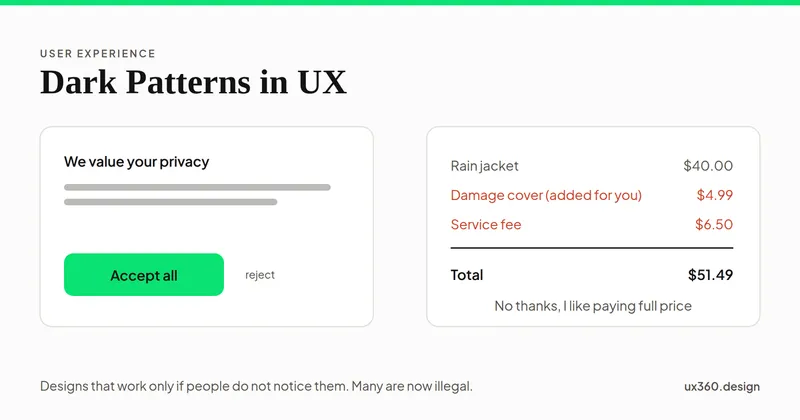
Dark patterns are designs that trick people into choices they would not make. See common examples, research on how well they work, the laws, and honest fixes.
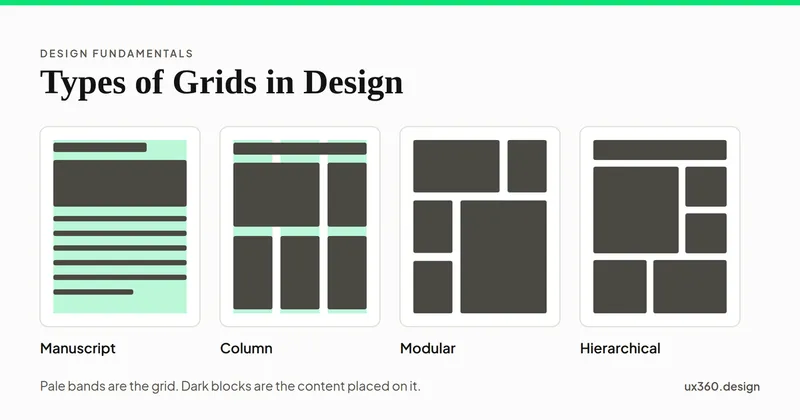
The five types of grids in design: manuscript, column, modular, hierarchical and baseline. See when to use each, why 12 columns is popular, and how grids adapt.
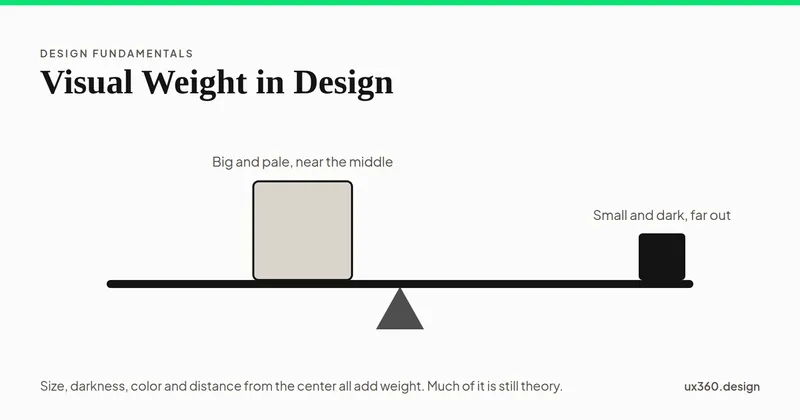
Visual weight is how strongly an element pulls the eye. See what adds weight, how it balances a layout like a seesaw, and which parts of it have been tested.
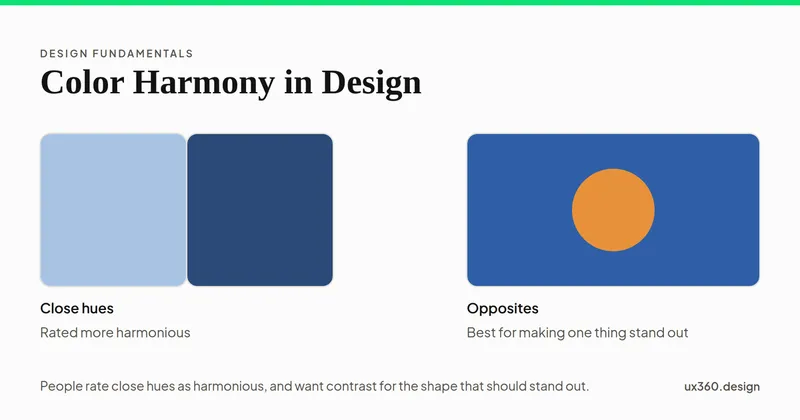
Color harmony is how well colors look together. See the classic color wheel schemes, what experiments found people prefer, and how to build a UI palette.
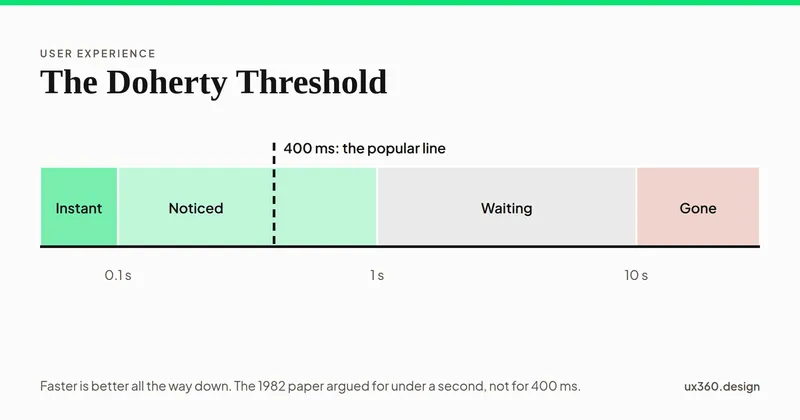
The Doherty threshold says people work best when a screen responds in under about 400 ms. See what the 1982 IBM paper found, and how to handle slow waits.
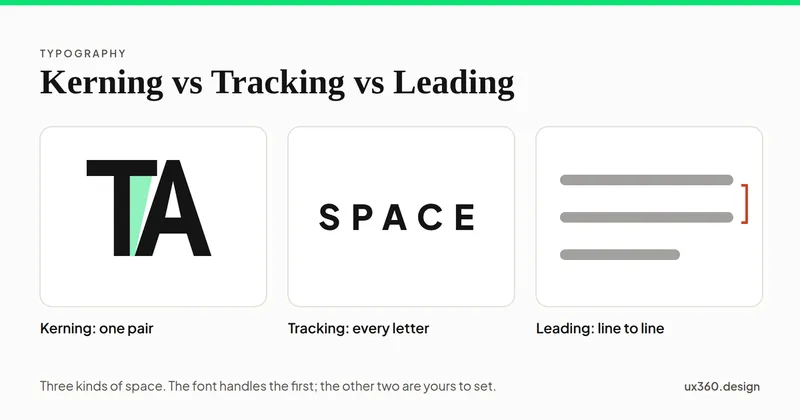
Kerning sets the space between two letters, tracking the space across a word, and leading the space between lines. See each one and what the research says.
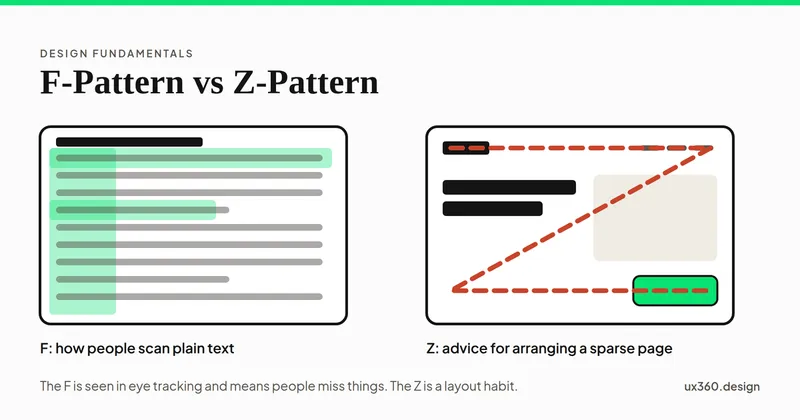
The F-pattern is how people scan pages of plain text; the Z-pattern is layout advice for sparse pages. See the eye-tracking evidence and which to design for.