

Design Fundamentals
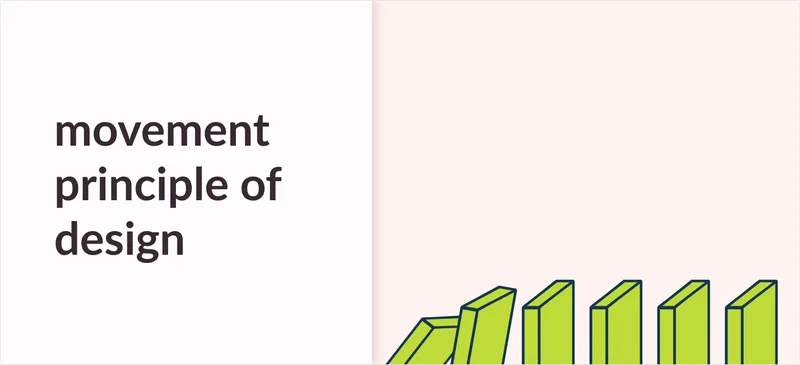
Movement Principle of Design
Movement guides the viewer's eye along a path through a composition. Learn the techniques, from lines and repetition to actual motion, with examples.
Page 4 of 7. Articles 37 to 48 of 81, newest first. Pick a topic in the bar above to narrow down.
Movement guides the viewer's eye along a path through a composition. Learn the techniques, from lines and repetition to actual motion, with examples.
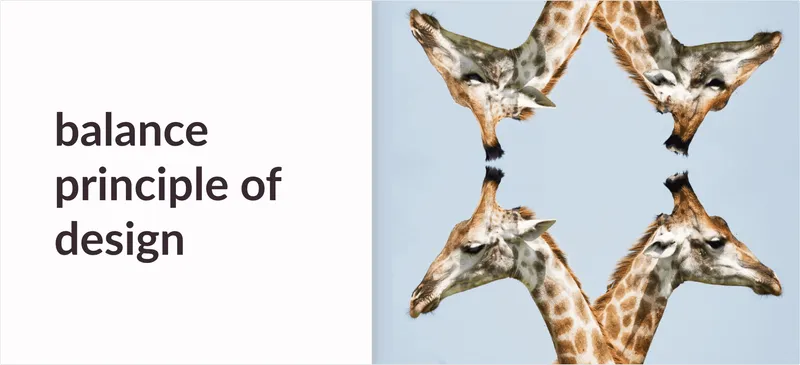
Symmetrical and asymmetrical balance explained. How visual weight works and how to check whether a design feels balanced, with an infographic.
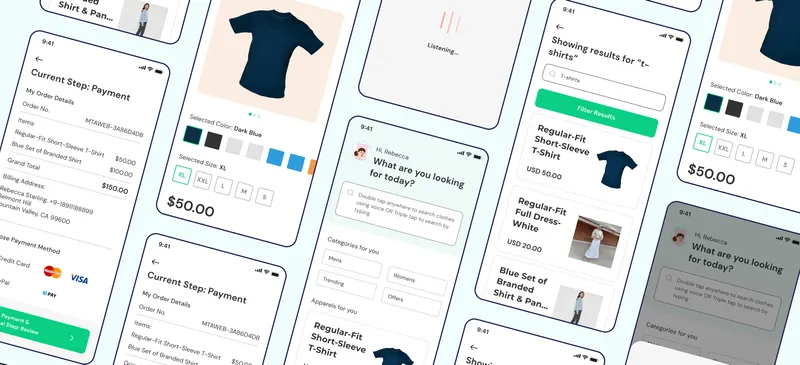
UX case study for Neue, an online clothing store designed for blind users: interviews, pain points, wireframes, prototypes and usability testing.
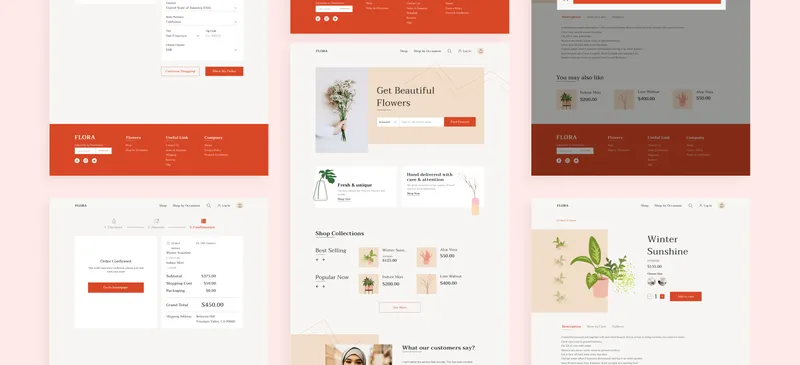
Flora is an online flower shop for San Francisco and the UK. A UX case study covering research, personas, wireframes, usability testing and the final app.
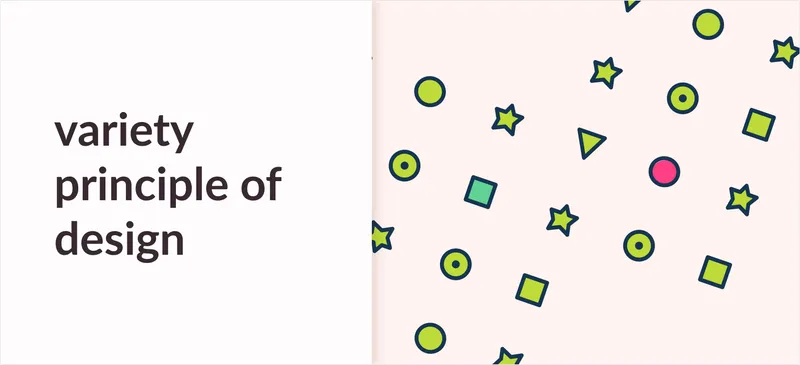
Variety breaks monotony and creates visual interest. What it means, how it balances against unity, and how to add it with shape, color, size and texture.
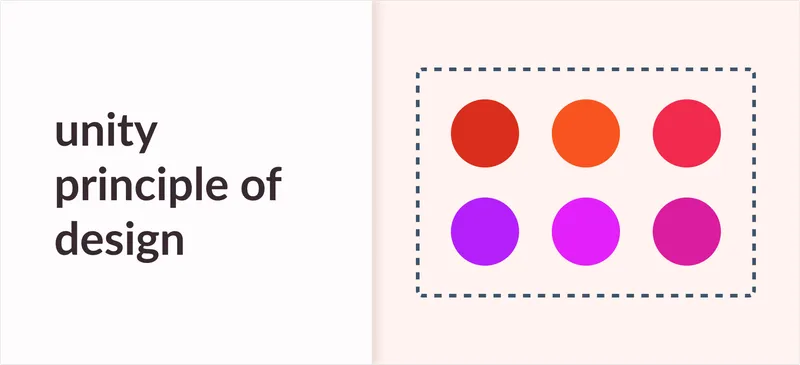
Unity ties every element of a composition together. Learn the methods that create it (proximity, repetition, alignment, continuation) with examples and a free infographic.
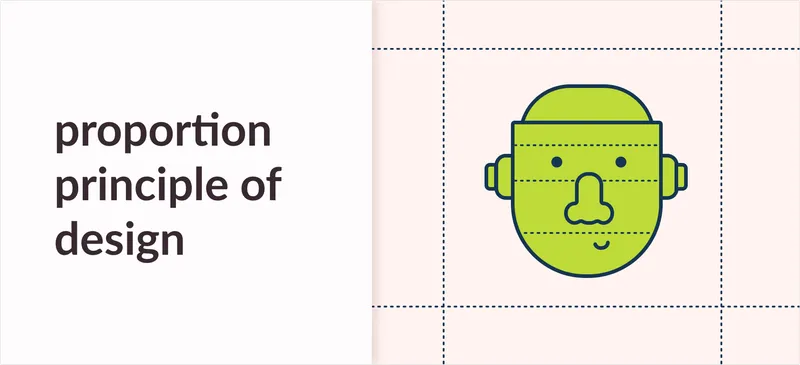
What proportion means in design, how size and visual weight relate, and how to use scale to guide attention. Clear examples from apps, posters and architecture.
The point is the first element of design. What a point is, how points create focus, lines and patterns, and examples from typography, layout and art.
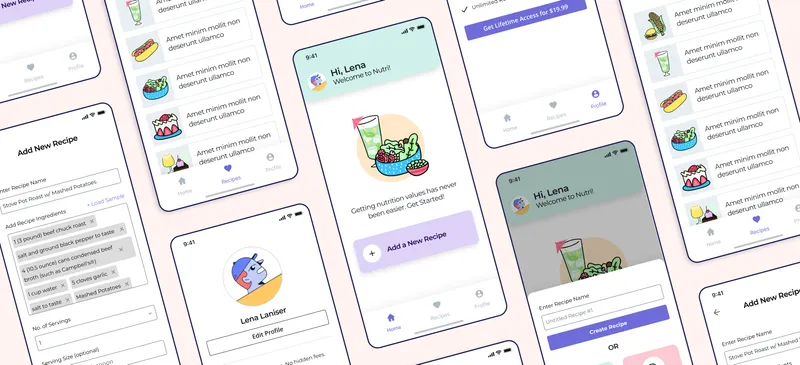
UX case study for Nutri, a recipe nutrition calculator app for a Cape Town restaurant: research, persona, wireframes, usability studies and final designs.
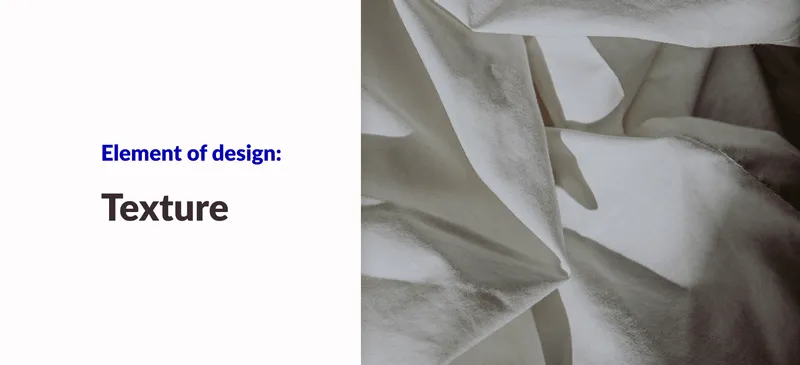
The types of texture in design (tactile and visual, real and implied) with examples from print and digital work, and how texture changes how a design feels.
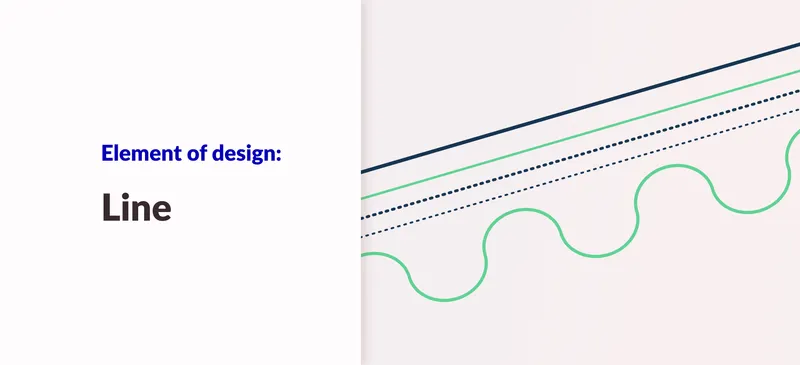
The types of line in design (horizontal, vertical, diagonal, curved, implied) and what each communicates, with examples from art, logos and interfaces.
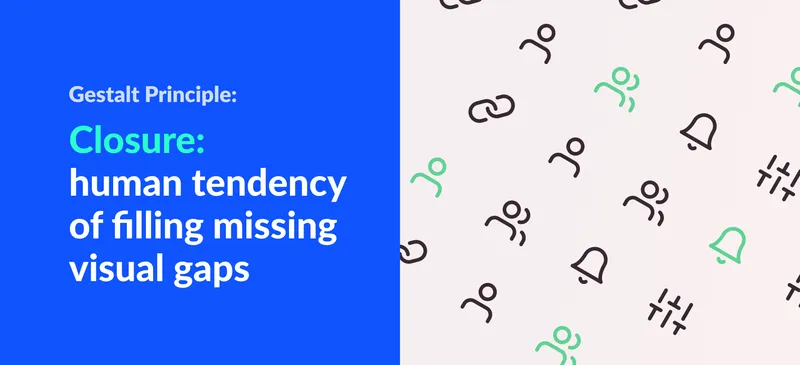
The law of closure: why the brain completes missing shapes. Examples from famous logos and interfaces, and how to use closure deliberately in your designs.