
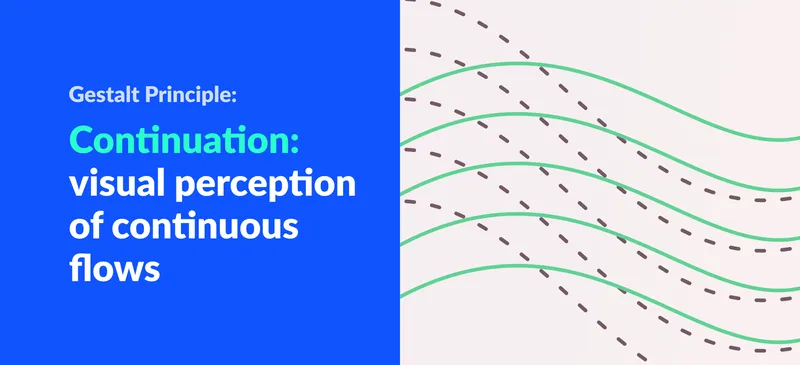
Gestalt Principle: Continuation (Visual Perception of Continuous Flows & Paths)
The law of continuation explains why the eye follows lines, curves and paths. What it is, how it differs from similarity, and how designers use it in layouts.
Page 5 of 7. Articles 49 to 60 of 81, newest first. Pick a topic in the bar above to narrow down.
The law of continuation explains why the eye follows lines, curves and paths. What it is, how it differs from similarity, and how designers use it in layouts.
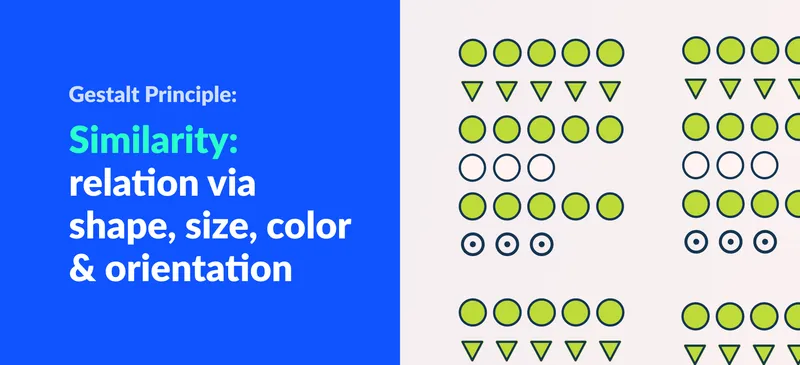
The law of similarity: elements that share shape, size, color or orientation are seen as related. How it differs from proximity, with examples.
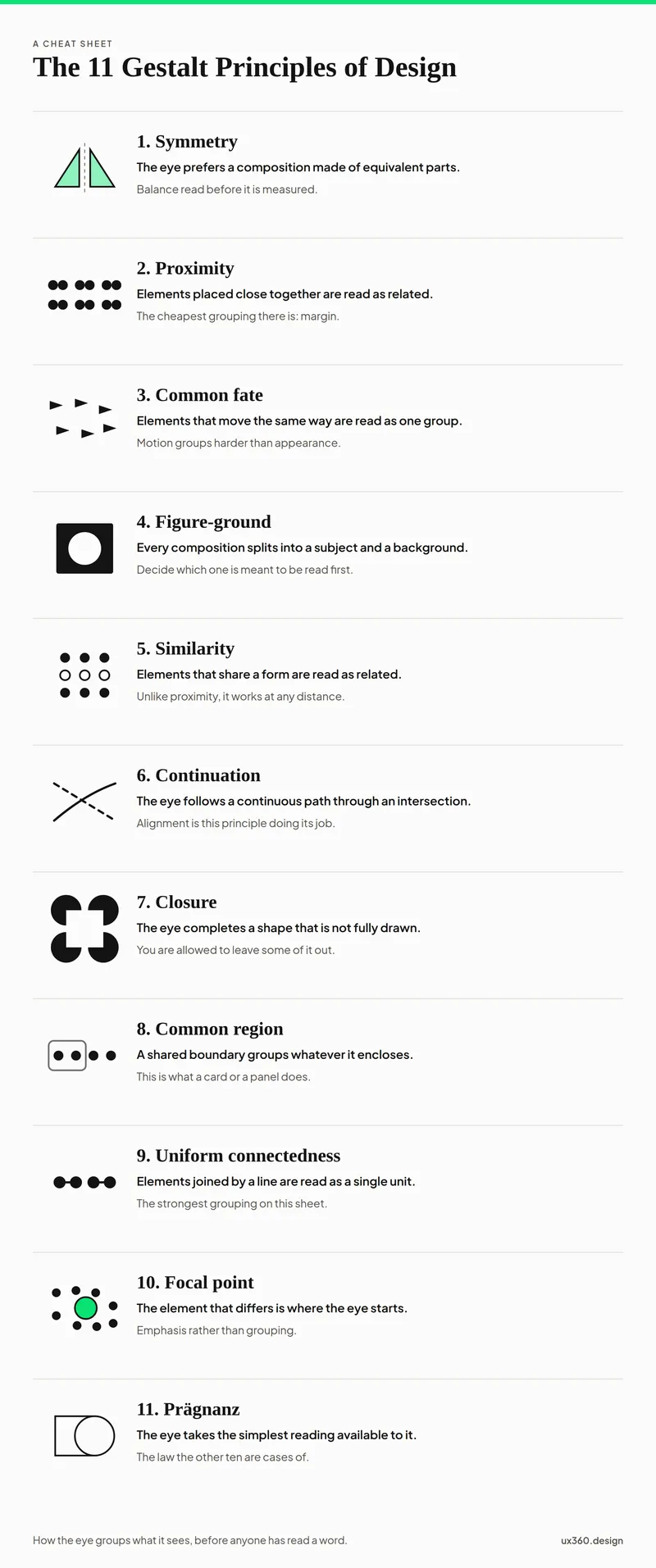
All 11 Gestalt principles with interface examples and interactive diagrams, from proximity and closure to common region and Pragnanz. Free cheat sheet PDF.
The Gestalt law of symmetry explains why balanced compositions feel stable. What it is, how symmetry and asymmetry create balance, plus web examples.
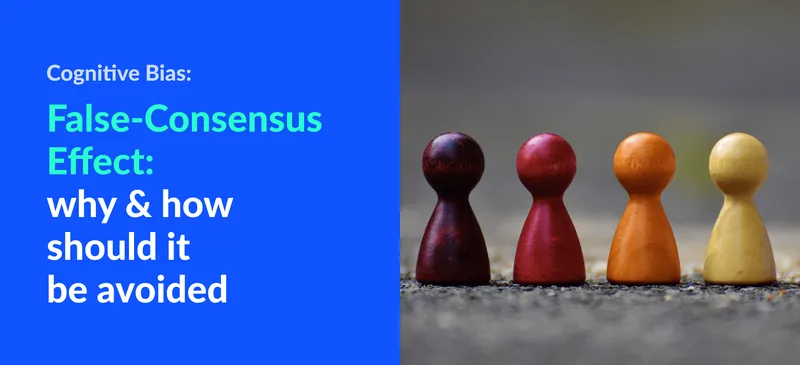
The false consensus effect makes us assume our beliefs are more common than they are. Why it misleads UX designers and how research keeps it in check.
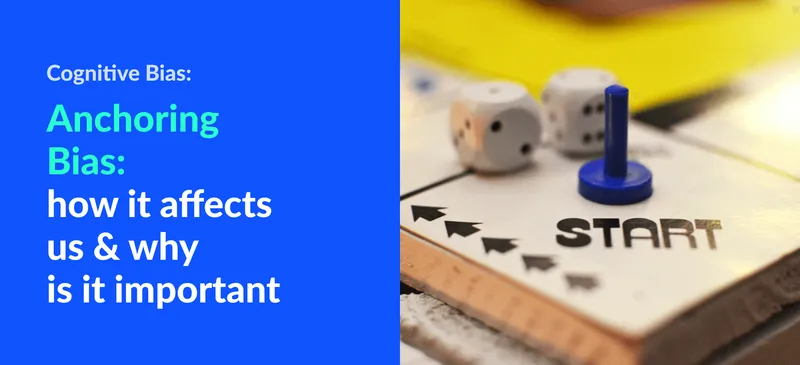
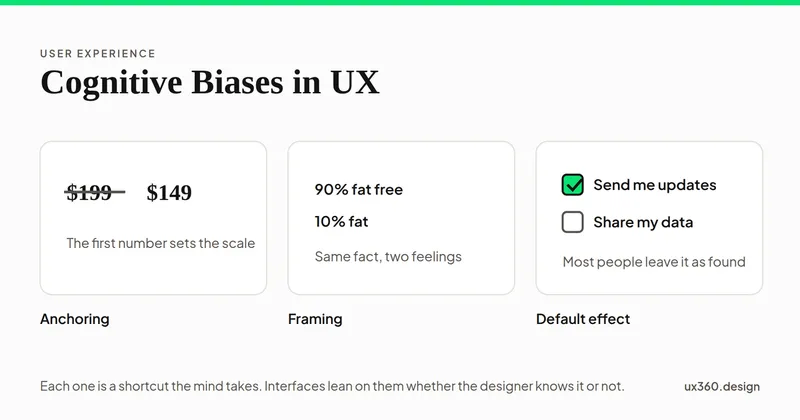
Anchoring bias makes people rely heavily on the first information they get. How it shapes decisions and why marketers and designers should understand it.
Wabi-sabi is the Japanese philosophy of finding beauty in imperfection. What the term means, examples in design and how the lifestyle shapes interiors.
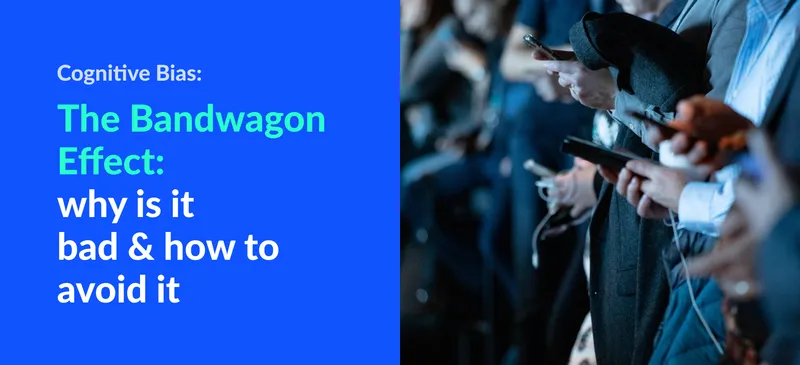
The bandwagon effect: adopting ideas because many others hold them. Why it hurts design decisions, how to avoid it and how it plays out on social media.
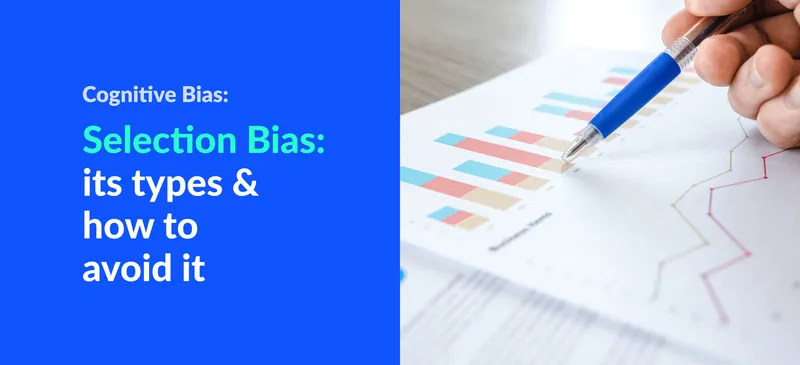
Selection bias is a cognitive bias where systematic errors in sample selection skew results. Learn its four types and how to avoid it in UX research.
Bias towards information that supports previous beliefs or experiences. Learn to avoid the confirmation bias for rational thinking.
Recognition is easier than recall, so interfaces should show options rather than make users remember them. How the two differ, with UI examples.
Here are the 7 types of biases every UX designers and marketers should know about. All of these biases can be used to our advantage.