

Confirmation Bias: Examples & How to Avoid it
Confirmation bias is the tendency to favour information that supports what you already believe and to discount what contradicts it. In design it shapes which research findings get quoted, which get explained away, and which questions never get asked.
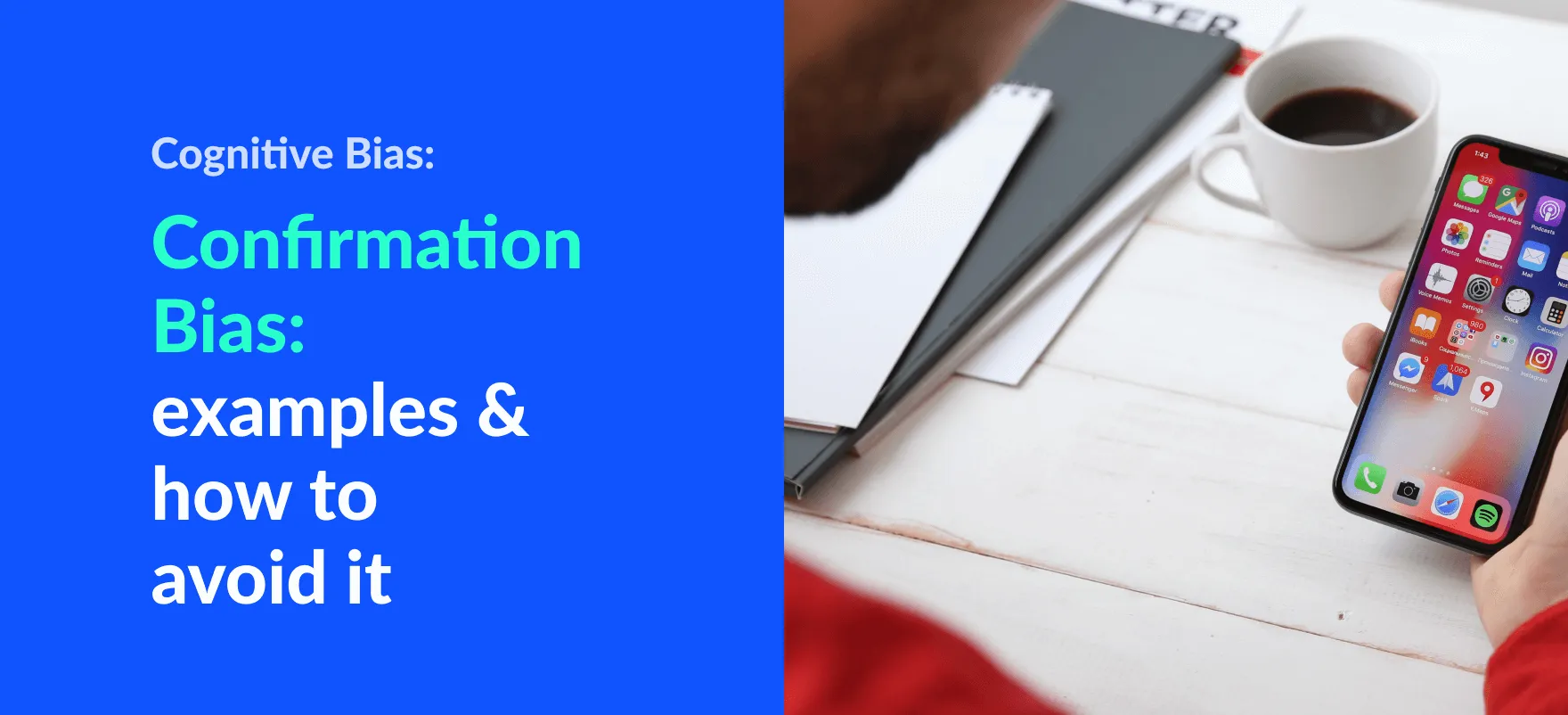
What is confirmation bias?
The confirmation bias is a type of cognitive bias where people are biased towards the information that supports their previous beliefs or experiences.
Putting it into simpler words, most of us only believe sources and sites that agree with our personal beliefs. We tend to ignore those that are unappealing to us.
The bias is irritating to deal with. Those affected by the bias may not hear and process what others are saying.
One of the best examples are anti-vaxxers and flat earthers. They only seek out sites that support their arguments. They won’t heed to what others say or prove.
Confirmation Bias Example
Here is an example of confirmation bias in effect.
Say we have a friend who believes that Apple products are a pain to use. This is his personal belief. When he sees someone facing trouble with an Apple product, what will he interpret? He is going to believe that it is the fault of the product itself.
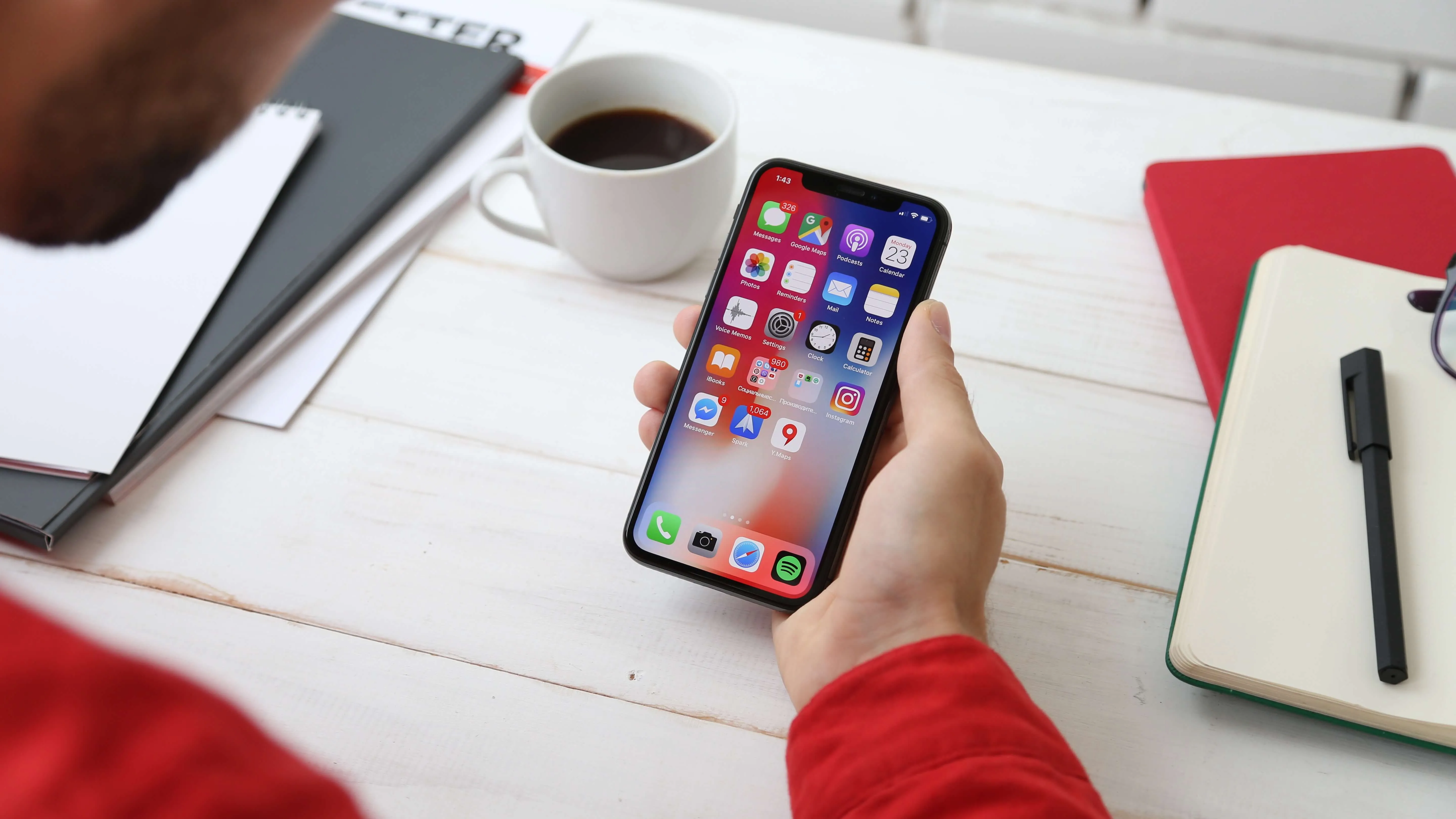
The same example can be looked into from a different perspective.
This time let’s imagine somebody who believes Apple products are completely fine and in no way a hassle. What will he interpret if he sees somebody struggling with a product? He will believe that it is the incompetence of the user.
We can see how we interpret events such that they correspond with our beliefs. We don’t know the truth so we fabricate one that suits us. This is how confirmation bias works.
Why is confirmation bias dangerous?
Here are a few reasons why confirmation bias is considered dangerous.
-
Believing in false information Because of this bias, it is easier for people to fall traps to false information. The fast spread of false information along with the bias only causes misunderstandings.
-
Unable to make rational decisions Biases itself is generally responsible for us to not make rational decisions but confirmation bias makes it so that we ignore other’s advice and opinions. It is a lot more concerning when others can’t help because people are not ready to listen.
-
Can affect people who are not involved False information is a serious matter. With the measles outbreak after it had been completely eradicated, we can see how misinformation can affect us. These things not only affect us but also affects people around us.
How to avoid confirmation bias?
Overcoming confirmation bias is particularly hard to do as it involves changing behaviors. Here are a few things we could do to fix the problem
-
Learn to take criticism We must take criticism and check if we were wrong or not. This is vital to overcome the bias as it clears up the confusion.
-
Cross-check any information Checking received information via various sources and trusted sites helps us not get caught in misinformations.
-
Don’t rely on others’ opinions It is important to analyze things ourselves and come to a conclusion. We cannot accept what others think about the matter.
-
Ask for validations Sometimes events are fresh and not analyzed by any trusted sites. So we need to ask for validation from the source of the event itself. Till the validation, it is best for us to not come to any conclusion.
Takeaway
Seeking out information that only supports our beliefs is the core of confirmation bias. It is a habit of people that should be avoided for rational thinking.
Being able to take criticisms and keeping our cool should is essential. It helps us avoid the bias and be responsible.
Further Reading
Frequently asked questions
What is confirmation bias?
Confirmation bias is the tendency to seek, notice and remember information that confirms an existing belief, while giving less weight to evidence against it.
How does confirmation bias show up in UX research?
In leading questions, in sessions where the contradicting participant is called unrepresentative, and in reports that quote the three users who agreed with the plan.
How do you reduce it?
Write the questions before you have a favoured answer, decide in advance what result would change the plan, and have someone outside the project read the raw sessions.
Practise this in the free course: lesson 3 covers turning assumptions into questions you can test. Open lesson 3, or see every bias sorted by who has it.
From UI to UX: a free one-week course
Become the person in the room who understands the user when everyone else is guessing. Six free lessons, no sign-up.

Written by
![Selection Bias: Its Types & How to Avoid it [With Infographic]](/_astro/selection-cognitive-bias-banner.tcKRRRFk_1Oznfl.webp)