


User Experience
Using Pareto 80/20 Rule in UX design
The Pareto principle says 80% of effects come from 20% of causes. How to find the 20% of features users rely on and give them priority in your UX design.
Page 7 of 7. Articles 73 to 81 of 81, newest first. Pick a topic in the bar above to narrow down.
The Pareto principle says 80% of effects come from 20% of causes. How to find the 20% of features users rely on and give them priority in your UX design.
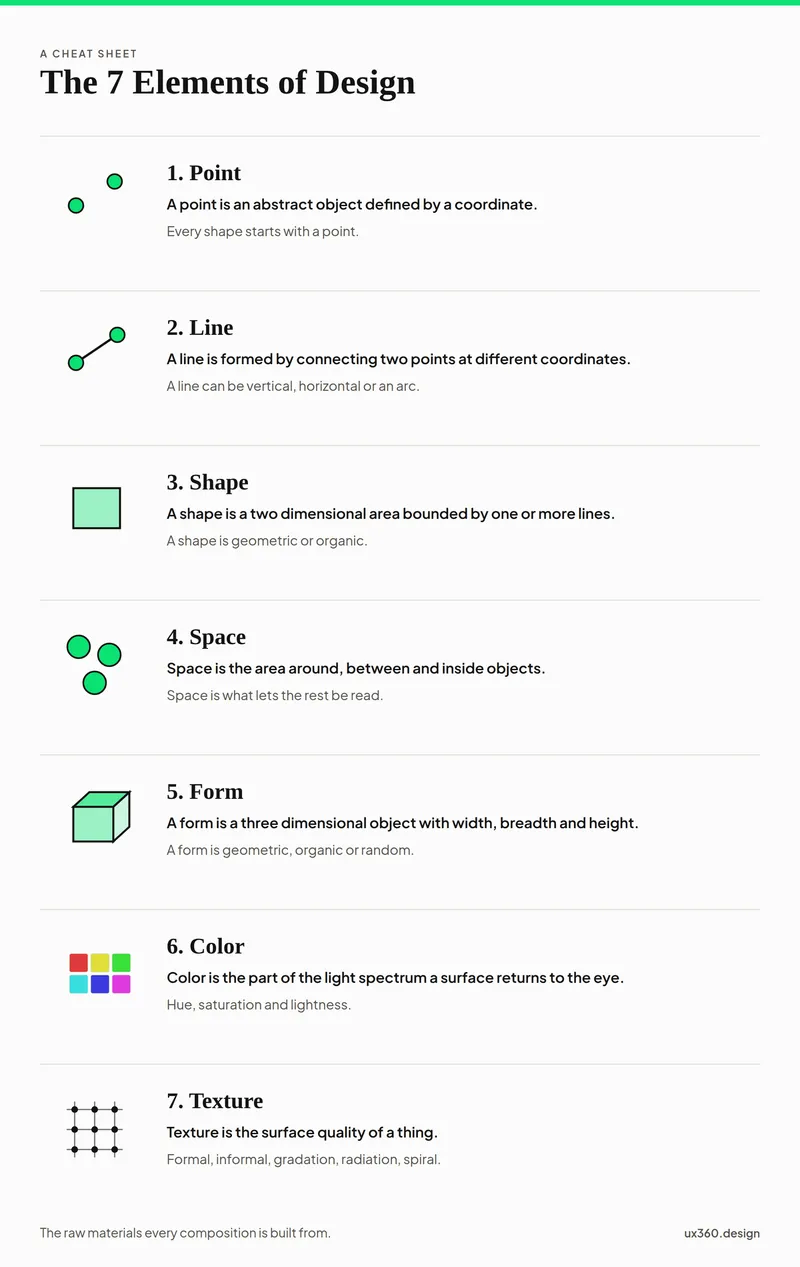
The 7 elements of design are point, line, shape, form, space, color and texture. Each one explained with real interfaces, plus a free printable infographic PDF.

Cognitive dissonance is the discomfort of holding conflicting beliefs. How people reduce it, and how UX copy, branding, pricing and free trials use it.

The rule of thirds divides a composition into a 3 by 3 grid and places key elements on the lines or intersections. Why it works and how to use it.

In this article, we will look into how we can analyze our product by comparing cost and benefit. We will learn more about cost-benefit analysis in design.

The aesthetic usability effect: people judge attractive designs as easier to use. Why it happens, what research shows and where form over function fails.
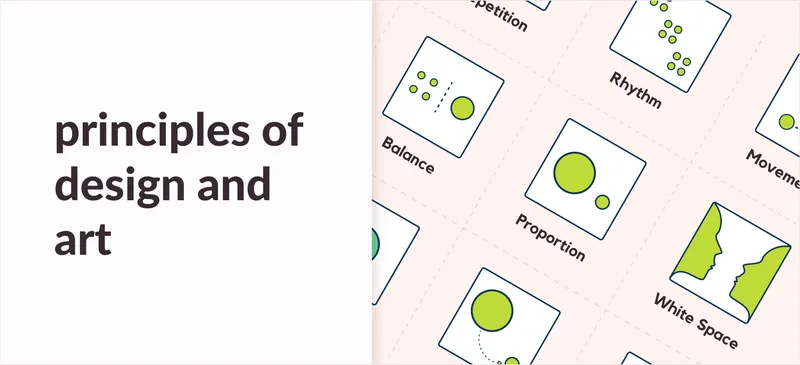
Repetition, rhythm, movement, balance, proportion, white space, contrast, emphasis, hierarchy, variety and unity, explained with examples and a free PDF.

Usability testing means watching real participants use your product. Six reasons to start, eight steps to run a test, plus DIY and remote options.

In this article, we will go through a workaround to mirror sketch designs and artboards on multiple devices in real time and also explore alternatives.